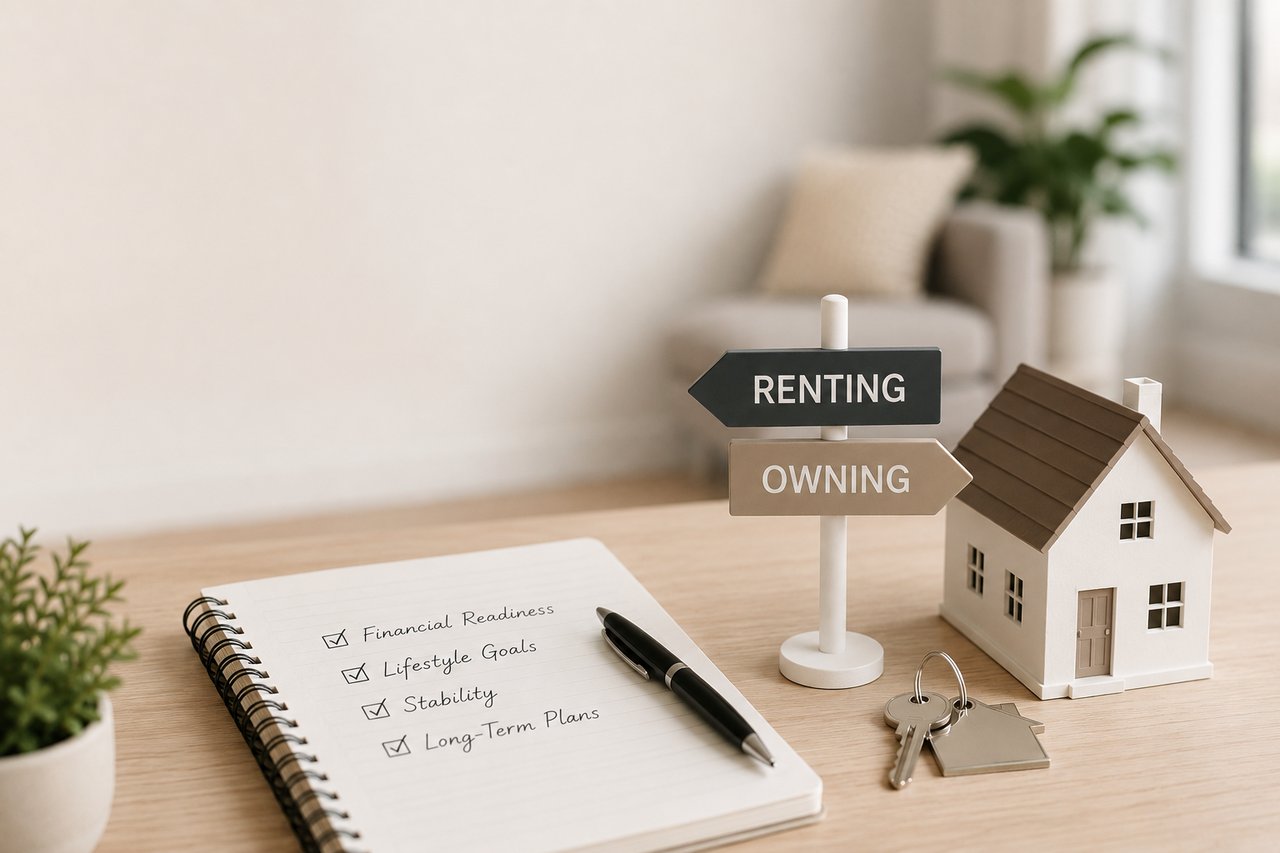
So, you’re ready to purchase a new home. Congratulations on taking that first step! Now comes one of the most important decisions of the home-buying process: figuring out which neighborhood is right for you.
The best way to choose a neighborhood is to work backward from how you actually live, rather than starting with whichever house looks best.
A beautiful home may check every box on your wish list, but if the neighborhood doesn’t fit your lifestyle, commute, budget, or future plans, you may find yourself wishing you had looked beyond the property itself.
A useful framework is to evaluate each neighborhood based on lifestyle, cost, convenience, risk, and future plans.
Here are some important things to consider before making an offer.

1. Start With Your Non-Negotiables
Before you start touring homes, take some time to think about what you truly need from a neighborhood.
Consider:
- Maximum commute: For example, no more than 35 minutes each way
- Housing needs: Yard, garage, bedrooms, lot size, and other property features
- Lifestyle: Walkable versus car-dependent, quiet versus lively
- Schools: Whether public-school boundaries are important to you
- Budget: Not just the mortgage payment, but also taxes, insurance, HOA fees, utilities, and maintenance
- Access: Groceries, healthcare, parks, restaurants, family and friends, airports, and public transportation such as Metro
- Future plans: Children, aging parents, working from home, changing jobs, or other lifestyle changes
Try separating these into must-haves, preferences, and deal-breakers.
This can help keep you focused and prevent a beautiful house from distracting you from a neighborhood that ultimately doesn’t work for your lifestyle.

2. Experience the Neighborhood at Different Times
Don’t judge a neighborhood based on a Saturday afternoon showing alone.
If possible, visit at different times, including:
- Weekday morning rush hour
- Weekday evening
- Late evening
- Weekend
- Different weather conditions
Pay attention to traffic, parking, noise, pedestrian activity, lighting, street conditions, and how long it actually takes to get around.
One particularly useful test? Drive the commute from the prospective home at your normal departure time.
A 25-minute commute on a Sunday afternoon could look very different on a Monday morning.

3. Look Beyond the Immediate Street
A home may sit on a beautiful, quiet block while still being affected by what’s happening nearby.
Take a look at:
- Grocery stores and everyday shopping
- Restaurants and entertainment
- Parks and trails
- Hospitals and healthcare providers
- Major roads and highways
- Public transportation
- Airports
- Industrial areas
- Major commercial developments
- Places that generate additional noise or traffic
Think about your actual weekly routine, rather than simply asking, “What’s nearby?”
Where will you go for groceries? How long will it take to get to work? Where will you exercise, meet friends, take the kids, or handle everyday errands?
The answers can tell you much more about whether a neighborhood fits your lifestyle.
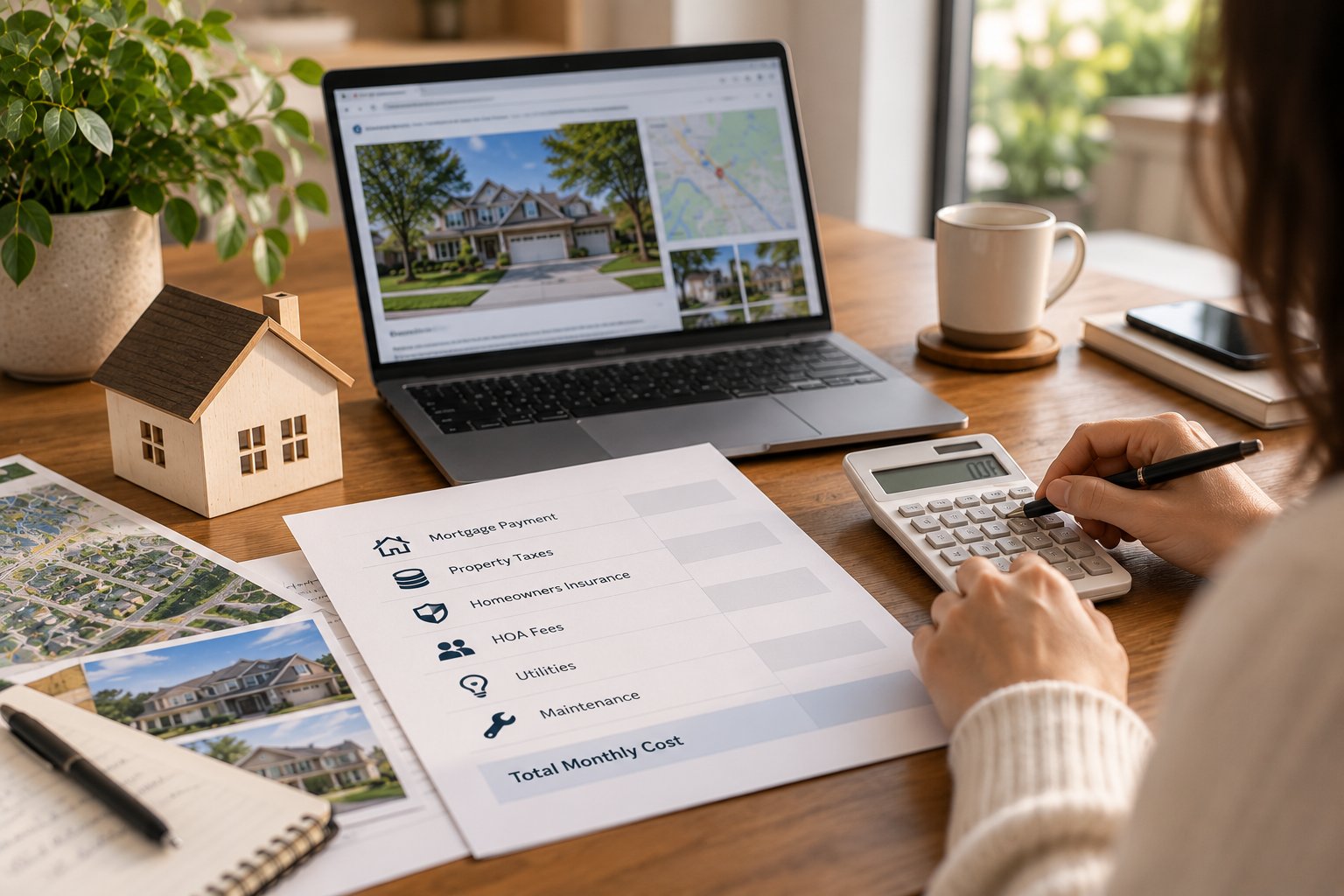
4. Understand the True Cost of the Neighborhood
Two similarly priced homes can have very different overall costs.
When comparing neighborhoods, consider:
Mortgage + property taxes + homeowners insurance + HOA fees + utilities + expected maintenance
It’s also worth investigating whether the area has specific insurance considerations, particularly flood exposure. These factors can affect both your insurance requirements and your ongoing costs.
If the property is part of an HOA, don’t look at the monthly fee alone. Review the association’s rules, financial condition, reserves, assessments, and restrictions before making a decision.
A neighborhood that fits your purchase budget but stretches your monthly budget too far may not be the right fit.

5. Research Schools Carefully
If you have children — or may in the future — verify the actual school assignment for the specific property rather than relying solely on a neighborhood’s reputation.
Consider looking into:
- Assigned schools
- District boundaries
- Programs that matter to your family
- Enrollment trends
- Class sizes
- Transportation
- Before- and after-school programs
- Planned boundary changes
Even if you don’t have children, schools can influence how future buyers view a property and may play a role in resale demand.
Keep in mind that school assignments and boundaries can change over time, so it’s important to verify the current information for the specific property.
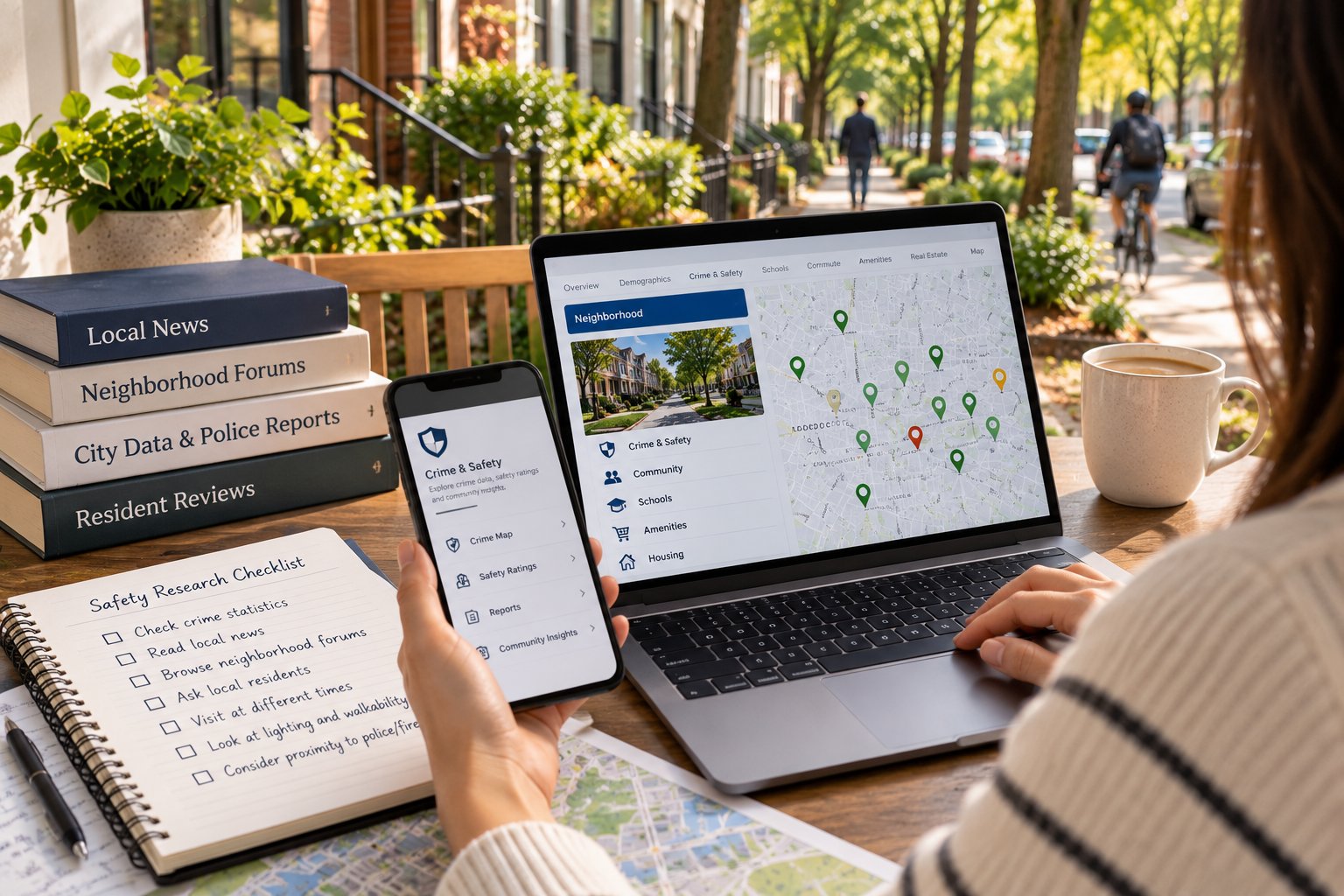
6. Research Safety From Multiple Sources
Rather than simply asking, “Is this a safe neighborhood?” take the time to understand what safety means to you and research the area from multiple perspectives.
Look at available data and trends, preferably from local police or public-safety sources. Consider the type, location, and trend of reported incidents rather than relying on a single statistic or one year of data.
It’s also helpful to visit the neighborhood yourself.
A neighborhood can feel very different at 10 a.m. than it does at 10 p.m. Pay attention to lighting, traffic, pedestrian activity, parking, and how comfortable you feel in the area at different times of day.

7. Find Out What’s Going to Change
This is one of the most important — and often overlooked — steps when evaluating a neighborhood.
Look at local planning and zoning information for potential changes such as:
- New housing developments
- Apartment buildings
- Road construction
- Highway projects
- Commercial development
- New schools
- Transit projects
- Rezoning
- Large vacant parcels
A quiet, wooded area today could look very different five years from now.
On the other hand, planned infrastructure, new businesses, or community amenities could also bring positive changes to an area.
Understanding what’s planned can help you make a more informed decision about the neighborhood you’re considering.
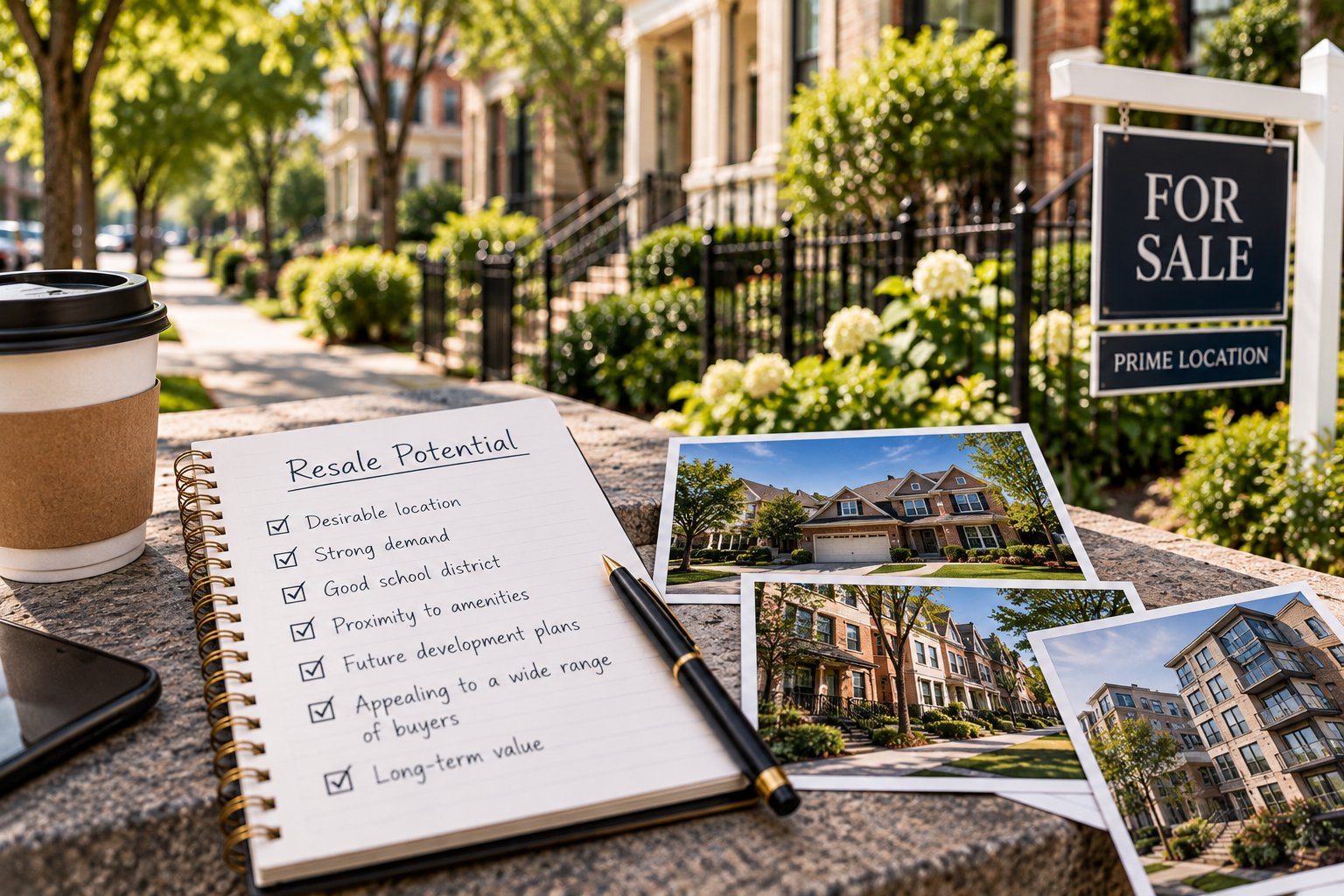
8. Consider the Neighborhood’s Resale Flexibility
You don’t need to predict the real estate market.
Instead, ask yourself:
If my circumstances change, will this location still work for a reasonable number of buyers?
Think about proximity to employment centers, transportation, schools, services, and other everyday amenities. Consider the types of homes available and whether the neighborhood generally meets the needs of the people who may want to live there in the future.
Past appreciation is not a guarantee of future performance, so focus on the fundamentals of the location rather than trying to predict exactly what the market will do.

9. Create a Simple Neighborhood Scorecard
Once you’ve narrowed your search to three to five neighborhoods, create a simple scorecard to compare them.
You might rate each neighborhood on:
- Commute
- Housing costs
- Schools
- Walkability
- Amenities
- Transportation
- Noise
- Safety
- Future development
- Overall lifestyle fit
Most importantly, the weights should be yours.
Someone who works from home may care much less about commuting than someone who drives 90 minutes every day. A family with young children may prioritize schools and parks, while someone who loves restaurants and nightlife may place more value on walkability and entertainment.
There is no universal formula for choosing the right neighborhood. The goal is to identify the trade-offs that make the most sense for your priorities and budget.
One Final Test
Before making an offer, imagine a completely ordinary weekday.
Think through everything you’ll need to do on a typical day — getting to work, running errands, picking up groceries, exercising, meeting friends, getting the kids where they need to go, or simply getting home at the end of a long day.
Then ask yourself:
“Would I enjoy doing this here for the next five years?”
That question can be more revealing than simply asking whether a neighborhood is “good.”
There isn’t one universally perfect neighborhood. There’s a neighborhood whose location, lifestyle, costs, and trade-offs fit your priorities and your life.
And finding that fit can be just as important as finding the right home.