
Congratulations, you’re under contract! You’ve fallen in love with the kitchen, imagined holidays around the dining table, and mentally arranged your furniture in the living room.
Then comes the home inspection.
Even when you understand that no home is perfect, waiting for that inspection report can feel stressful — especially when it lands in your inbox and it’s 40 pages long. Suddenly, every highlighted comment feels urgent. What if something is seriously wrong? What if it’s too big to handle?
Take a deep breath.
A home inspection isn’t designed to scare you — it’s designed to inform and protect you.
First Things First: Inspectors Will Find Something
A thorough inspector’s job is to shine a light — literally — on every visible defect in the home. That means you should expect a list of findings.

Some will be minor:
-
Loose handrails
-
Missing GFCI outlets
-
Worn caulk in bathrooms
-
Small maintenance items
Others may be more significant. The key is understanding the difference between manageable repairs and true red flags.
Below are the most common areas buyers should pay close attention to when reviewing an inspection report.
Foundation & Structural Concerns
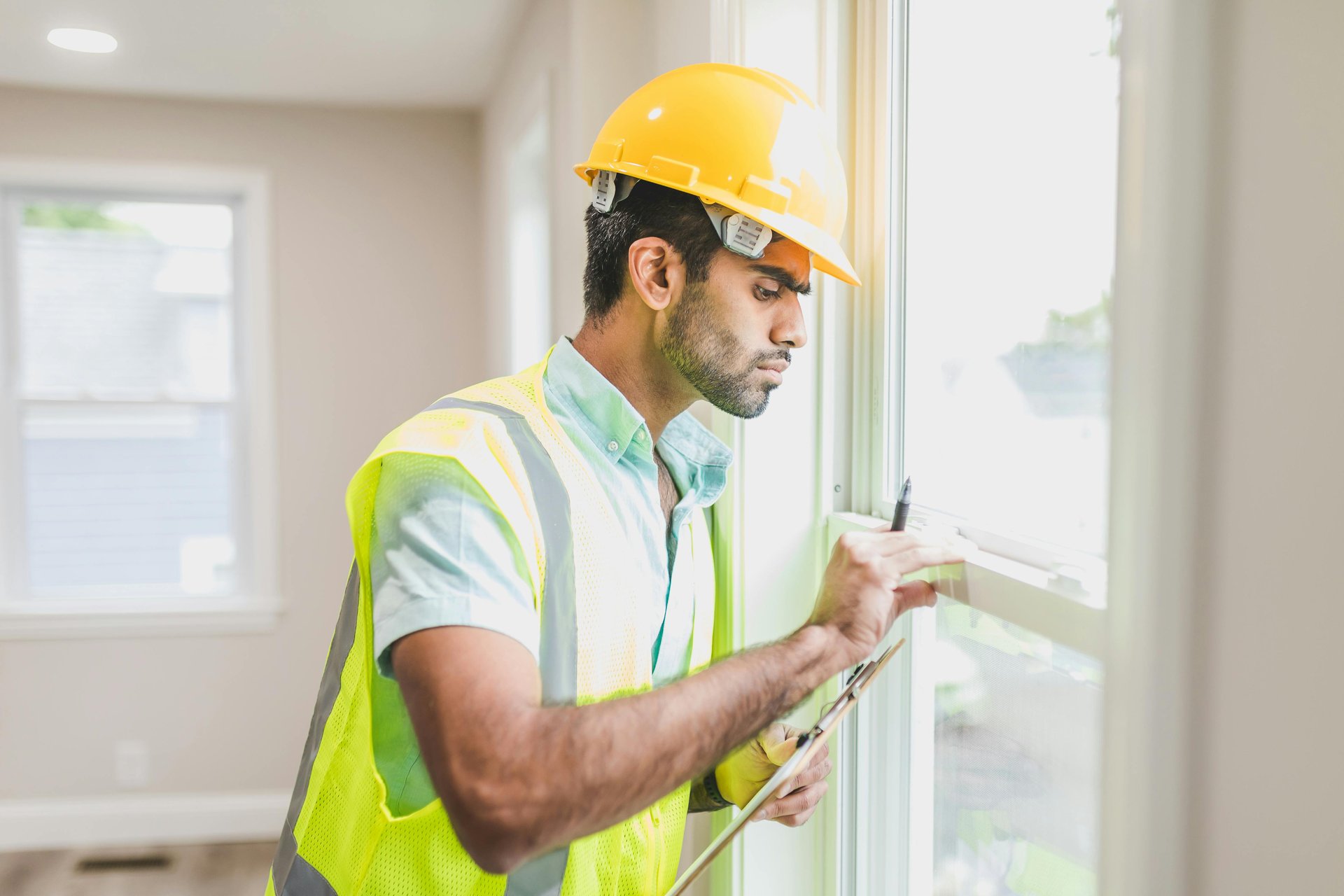
Not all cracks are created equal.
Hairline cracks can simply be the result of normal settling. However, signs that warrant closer attention include:
-
Uneven or sloping floors
-
Stair-step cracks in brick
-
Doors and windows that don’t close properly
-
Horizontal cracks in foundation walls
Structural repairs can range from a few thousand dollars to significantly more, depending on severity. When in doubt, bringing in a structural engineer for further evaluation can provide clarity and peace of mind.
Roof Age & Condition
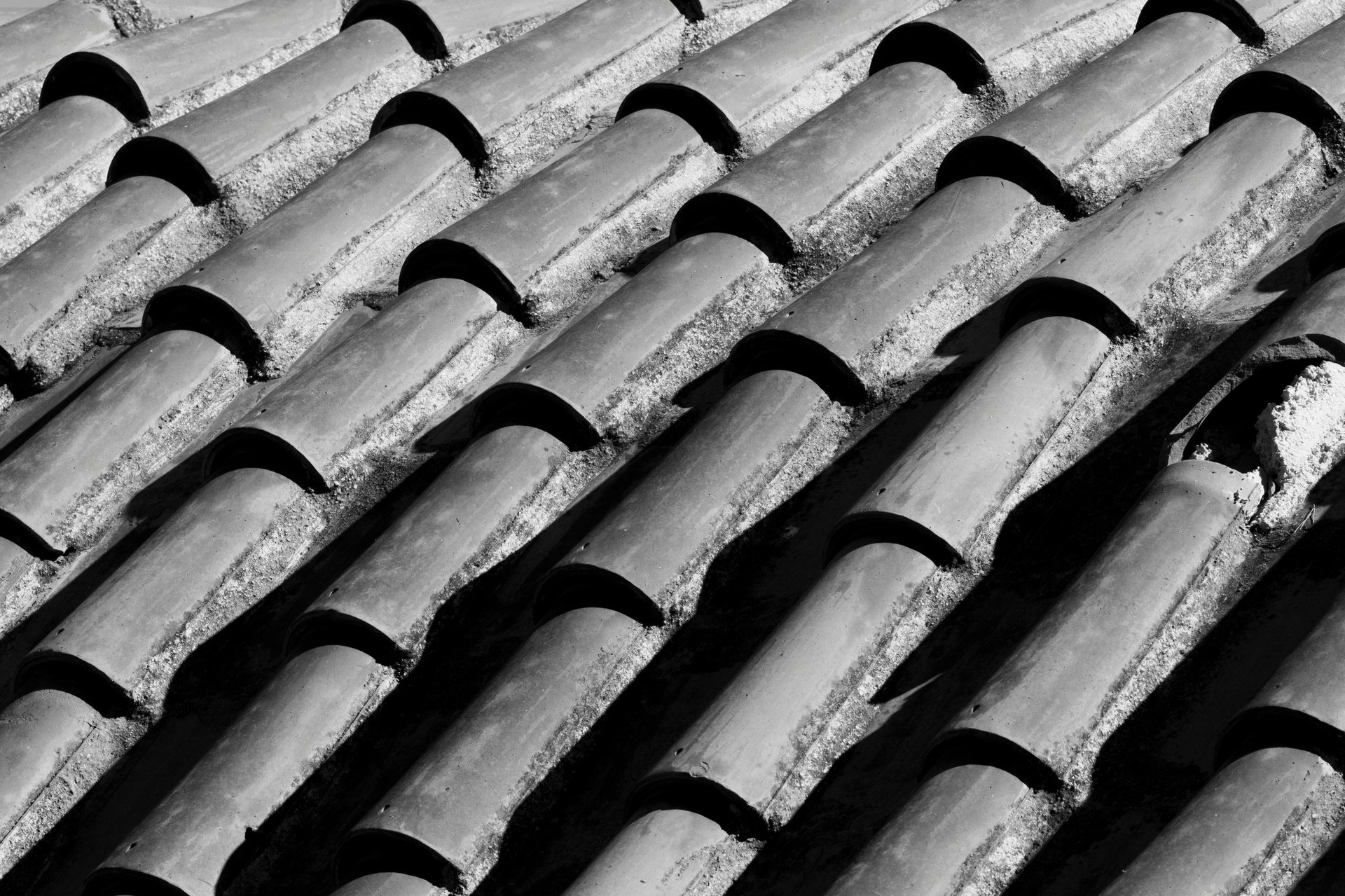
A roof is one of the largest and most expensive systems in a home. If it’s near the end of its lifespan, it can quickly become a major expense.
Red flags include:
-
Missing or curling shingles
-
Visible sagging
-
Signs of leaks on ceilings or walls
-
A roof that’s 20–25 years old or older
Sometimes your general inspector can provide enough information. In other cases, it’s wise to consult a licensed roofer for a second opinion. If replacement is needed soon, that should absolutely be part of your negotiation strategy.
Water & Plumbing Issues
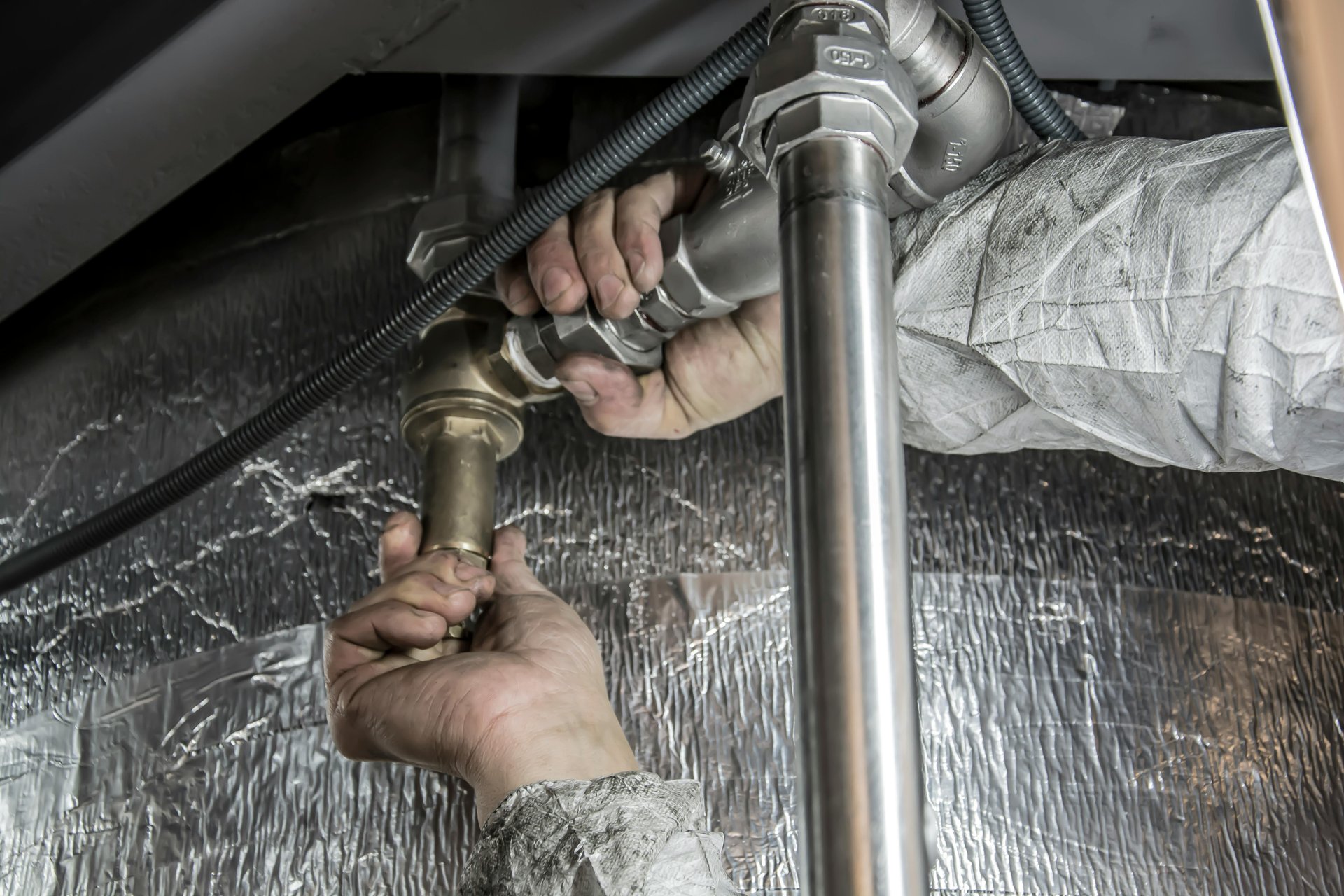
In many homes, water is the biggest long-term threat. The good news? It’s often one of the easiest issues to detect.
Exterior warning signs:
-
Standing water near the foundation
-
Improper grading
-
Moldy or mildewy smells
-
Stains on ceilings or walls
Interior red flags:
-
Low water pressure
-
Active leaks
-
Signs of past plumbing repairs
-
Aging water heaters nearing the end of their lifespan
Water damage can escalate quickly if ignored, so this is an area worth taking seriously.
Electrical Systems

Outdated or unsafe electrical systems aren’t just inconvenient — they can pose fire risks and insurance challenges.
Common concerns include:
-
Outdated wiring
-
Electrical panels that can’t support modern demand
-
Missing GFCI outlets in kitchens and bathrooms
In some cases, lenders or insurance providers may require upgrades before closing.
HVAC System Age & Condition
Heating and cooling systems have shorter lifespans than many buyers realize.
-
Furnaces: typically 15–20 years
-
Air conditioning units: around 10–15 years
If these systems are near the end of their expected life, you’ll want to factor potential replacement costs into your budget — or negotiate credits. Some buyers also request a home warranty to help cover unexpected repairs during the first year of ownership.
Pest or Termite Damage

Wood-destroying insects can cause significant structural damage over time. A separate pest or termite inspection is often well worth the cost.
If the seller provides documentation of prior treatments, that’s helpful information — but you’ll still want confirmation that no active issues remain.
Work Completed Without Permits
Inspectors don’t pull city records, but they will flag work that appears not to meet code.
This might include:
-
Additions that don’t match the original structure
-
DIY plumbing or electrical work
-
Renovations that raise safety concerns
Unpermitted work can affect appraisal value, insurability, and future resale. It’s worth reviewing permit records with your agent when major renovations are involved.
Smart Buyer Strategy After the Inspection
Once the report arrives:
-
Review it carefully with your agent. They’ve likely seen most issues before and can help separate normal wear from true concerns.
-
Prioritize safety and structural issues. Cosmetic flaws and minor repairs are normal, especially in older homes.
-
Obtain contractor estimates for major repairs. These are valuable tools during negotiations.
-
Negotiate thoughtfully. Unless the home is explicitly being sold “As Is,” most sellers expect some discussion after inspection.
What’s a Dealbreaker — and What’s Not?
It’s important to remember:
-
Every home will have issues.
-
Long inspection reports are normal — even for well-maintained properties.
-
The goal isn’t a perfect report; it’s an informed decision.
Major structural problems, active water intrusion, or serious safety hazards deserve careful evaluation. Aging systems, cosmetic wear, and routine maintenance items are part of homeownership.
Especially in competitive markets, understanding potential red flags ahead of time helps you write stronger offers and negotiate with confidence.
A home inspection doesn’t mean the deal is falling apart — it means you’re doing your due diligence. And when approached strategically, it becomes one of the most powerful tools you have to protect both your investment and your peace of mind.

Liz Rihani
EMAIL: [email protected]
MOBILE: (202) 907-7001